PDRN and the Science of Recovery
PDRN doesn't add something new to skin. It helps skin do what it already knows how to do. Here's the mechanism, in plain terms.
At some point, the keyword of skincare moved from improvement to recovery. The idea: before layering something new on top, first tend to skin's own capacity to heal. At the center of that shift sits PDRN.
PDRN, a fragment of recovery
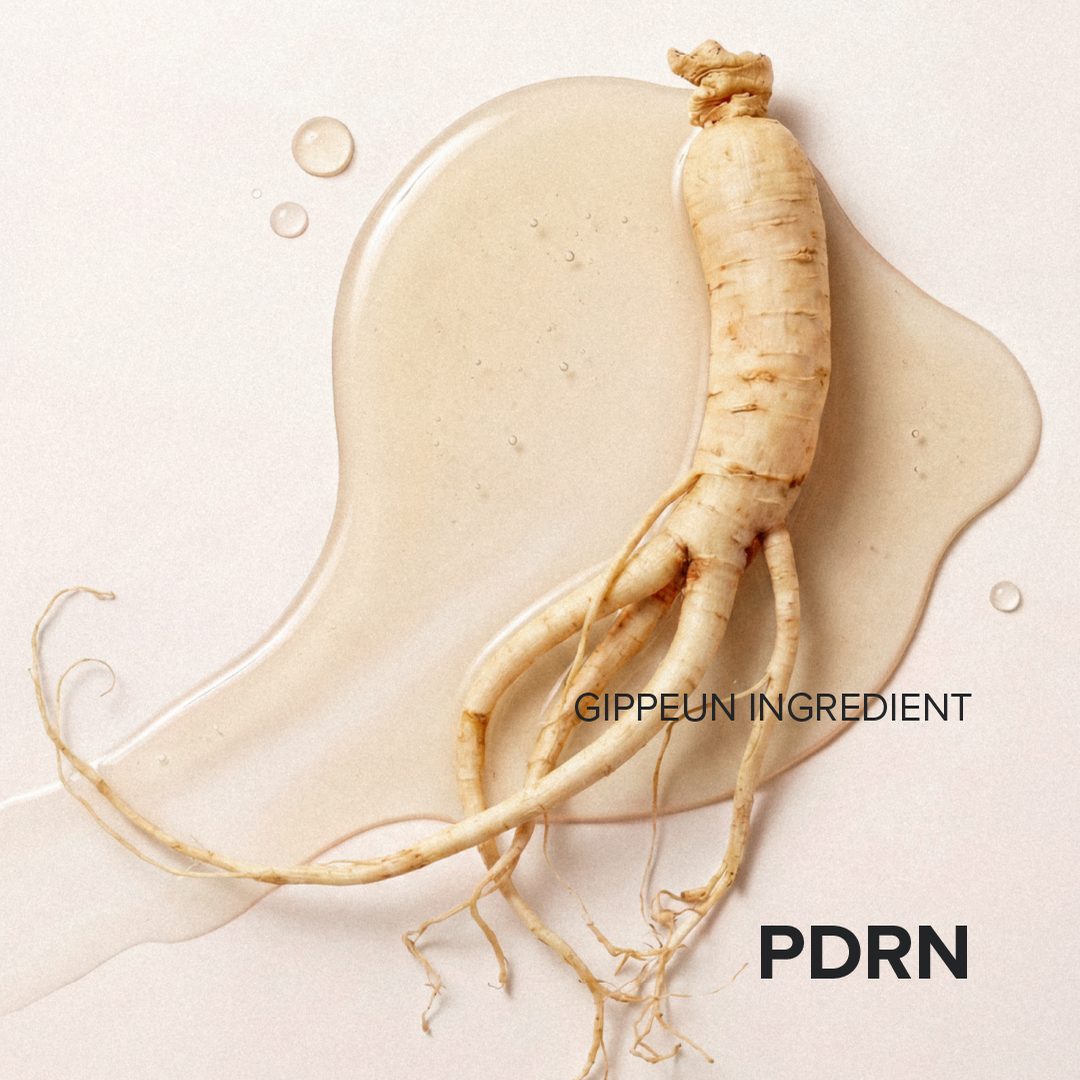
PDRN is short for polydeoxyribonucleotide — as the name suggests, a low-molecular-weight fragment derived from DNA. Traditionally purified from salmon or trout DNA, it has long been studied in regenerative medicine and in-office skin treatments as an ingredient that helps damaged tissue recover.
What's notable is how it works. Rather than manufacturing something new and inserting it, PDRN is understood to support the recovery process skin already has.
Two mechanisms, in plain terms
PDRN is studied along two broad paths.
Supplying raw material — the salvage pathway. As PDRN breaks down, it releases nucleotides, and cells reach back for these as building blocks when making new components. It's like keeping the parts a cell needs on hand as it repairs and multiplies on its own.
Switching on a signal — the adenosine A2A receptor. PDRN is understood to stimulate specific receptors on fibroblasts, keratinocytes, and other skin cells. That signal is studied for its role in collagen synthesis, circulation, and calming a recovery environment where excess inflammation settles down.
In short, it adds both material and signal to damaged ground, helping skin put itself back in order. Much of this evidence, it's worth noting, comes from in-office and regenerative-medicine settings; in the context of daily care, it's more accurate to say we borrow that power quietly, cumulatively.
Why recovery is the language of longevity
One major axis of skin aging is the accumulation of damage. As the barrier weakens and invisible micro-inflammation builds, the speed of recovery itself slows. Skin wavers more often, and takes longer to come back.
So the longevity view doesn't stop at erasing damage — it aims to preserve the very capacity to recover, for as long as possible. This is why repair ingredients like PDRN are drawing renewed attention. Recovery isn't a result; it's the ground that lets skin keep holding good condition.
Vegan, and K-ginseng
When people discuss PDRN, they often start with the source of the raw material. What GIPPEUN paid attention to was what the ingredient actually does: putting a damaged skin environment back in order, and supporting the recovery flow that guards regeneration, firmness, and the barrier — the reasons PDRN has long been valued as a repair ingredient.
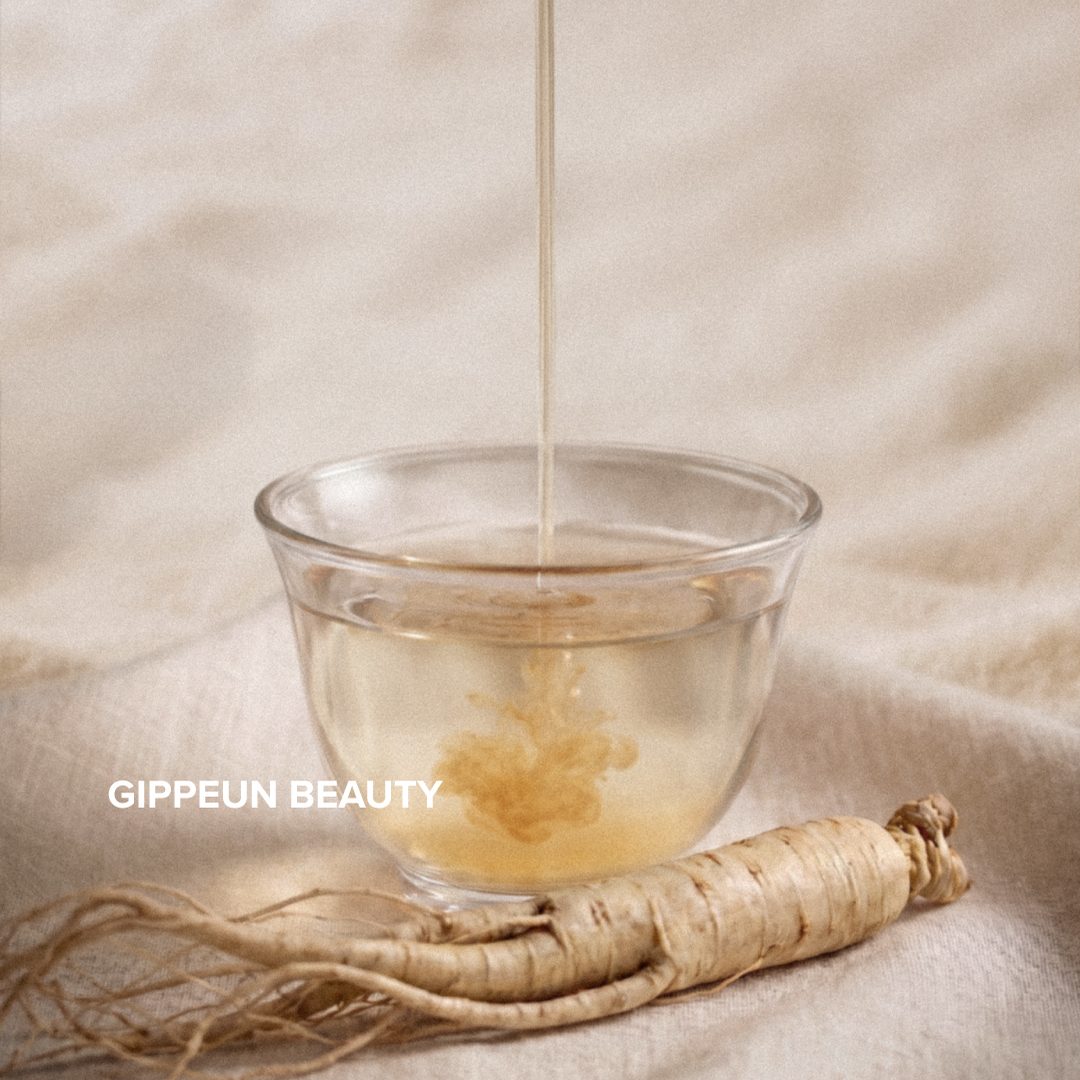
To this, GIPPEUN chose a vegan ginseng PDRN enriched with the nourishment of K-ginseng. Without leaning on animal-derived material, it adds a further layer of recovery and firmness through ginseng's deep nourishment — a direction that doesn't stop at filling, but helps skin grow firm again.
Recovery, too, begins by arriving
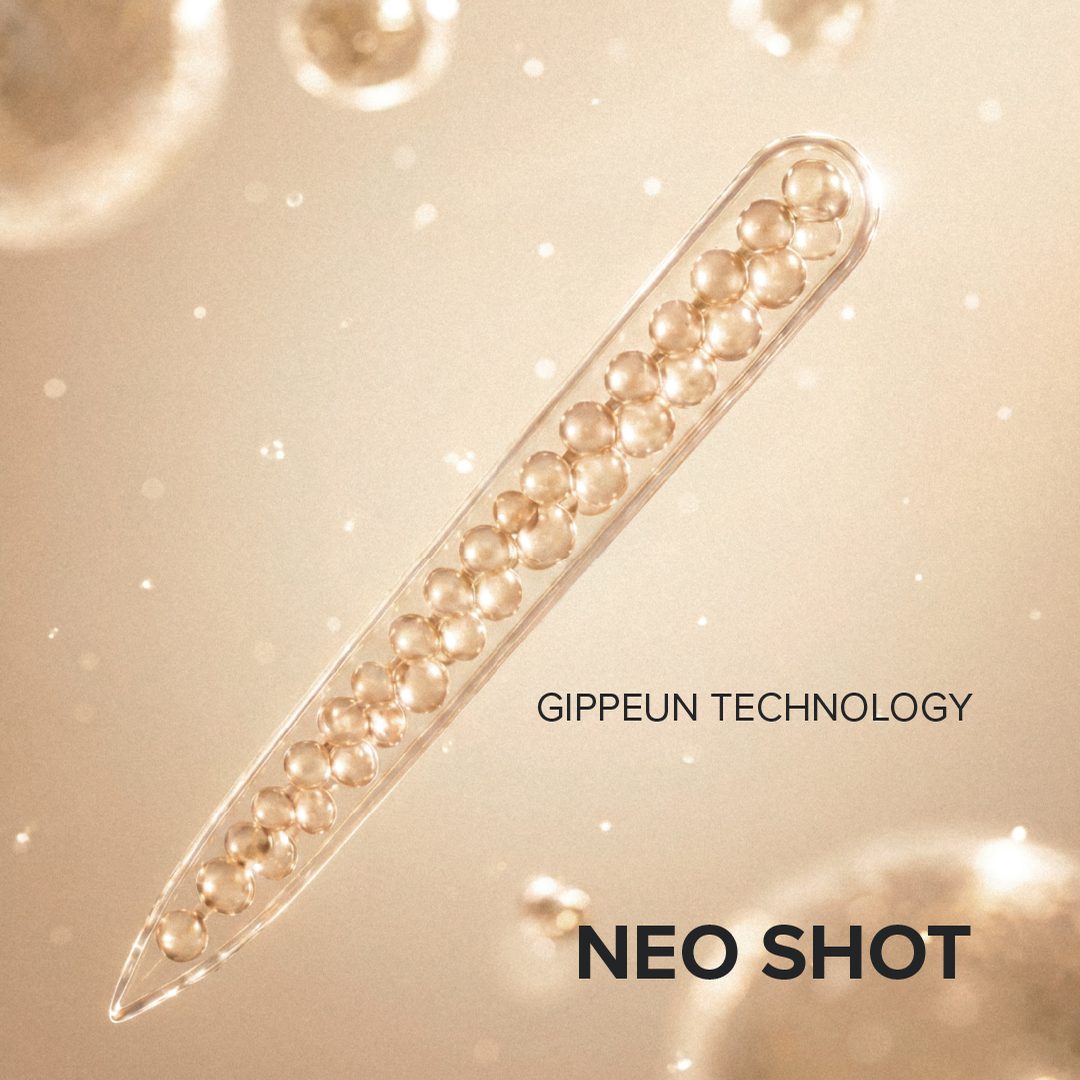
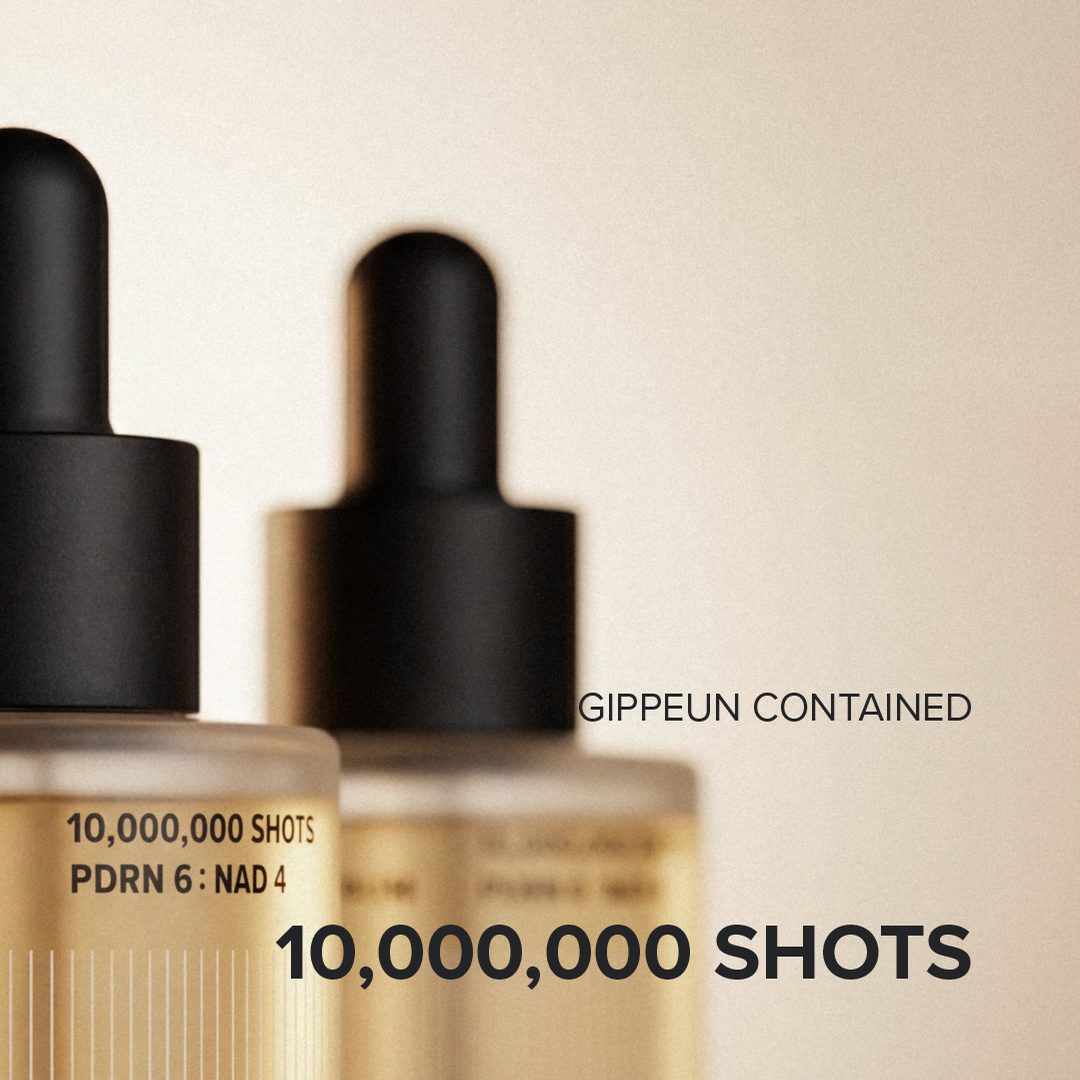
Even the most refined repair ingredient loses meaning if it sits on the surface. So GIPPEUN designed PDRN alongside the ultra-fine delivery of the NEO SHOT — reaching deep without pain, accumulating daily — and placed recovery-focused PDRN with energy-focused NAD⁺ at 6:4 in the serum, so the power to fill and the power to awaken work in one direction.
Not turning back — protecting
The science of recovery isn't headed toward turning skin younger. It's headed toward preserving skin's own capacity to recover for as long as possible. That is what makes recovery the language of longevity, and it's how GIPPEUN talks about recovery.
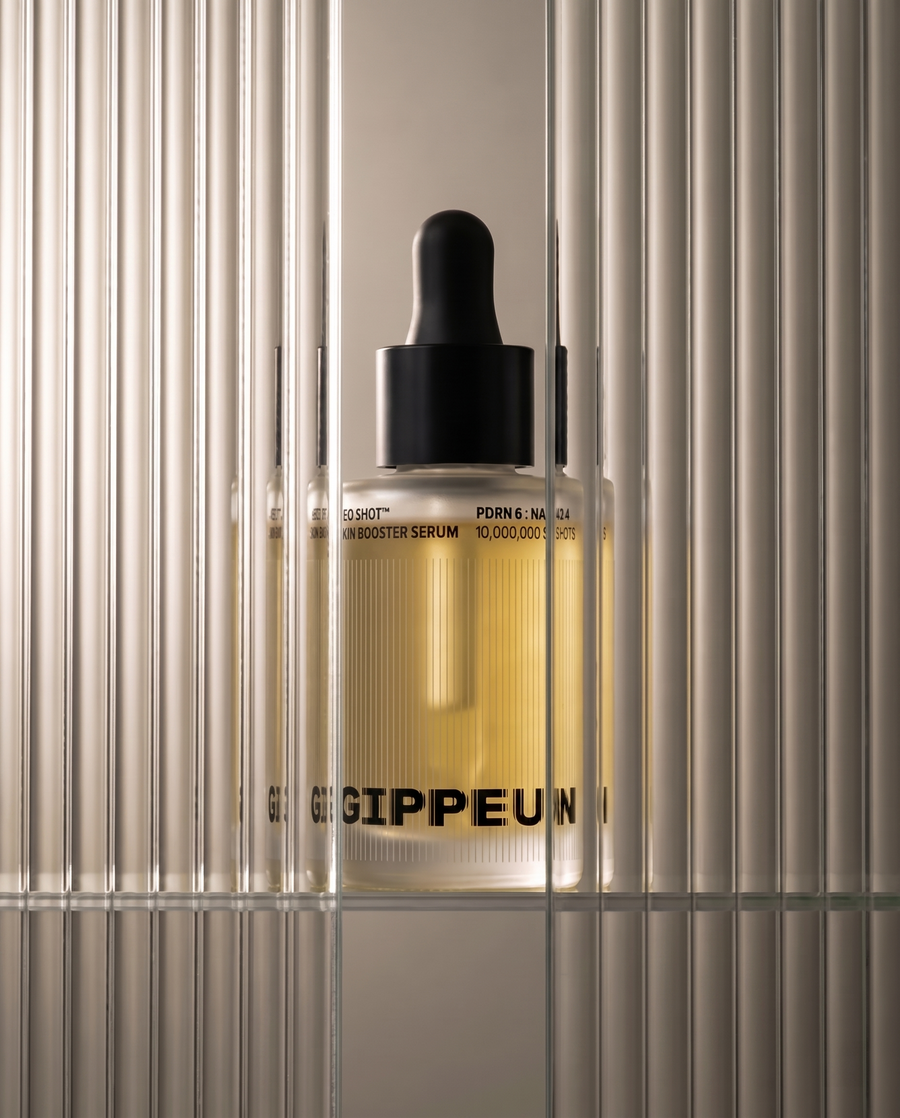
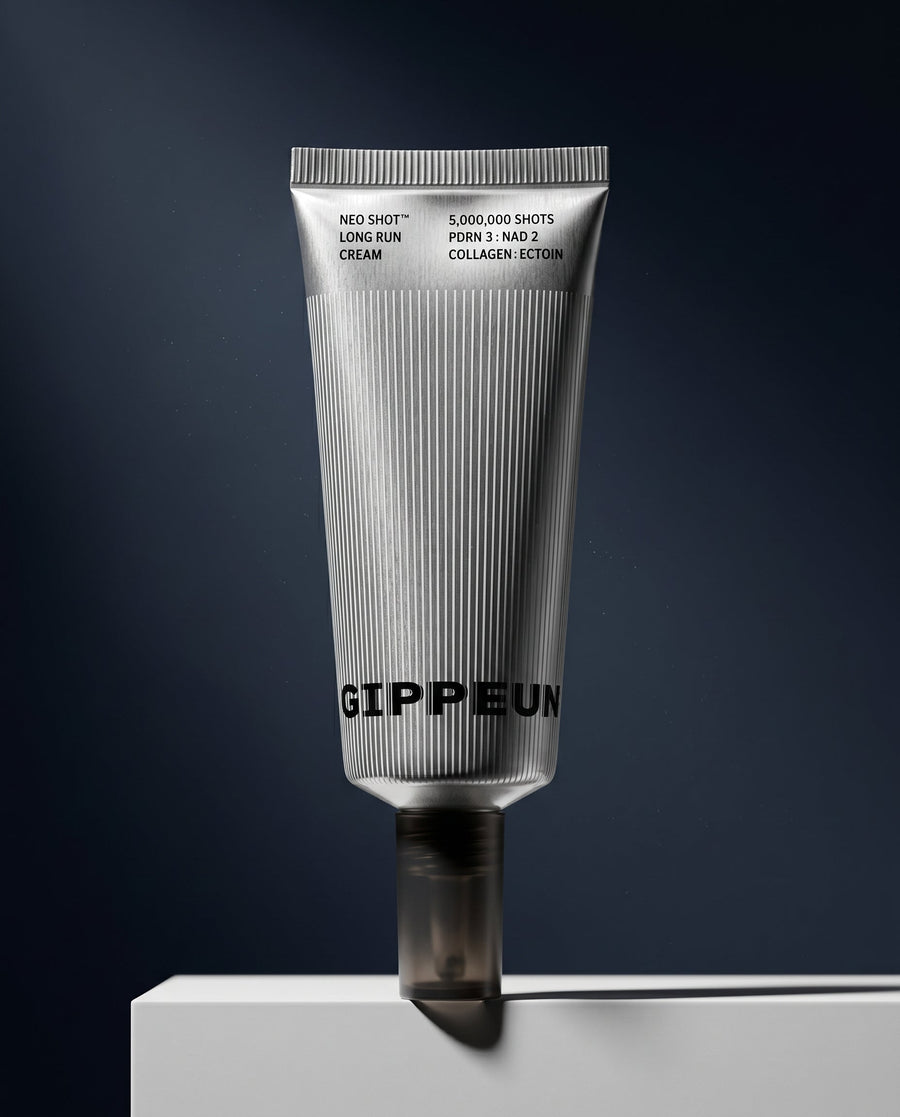
GIPPEUN's K-ginseng PDRN is carried in the NEO SHOT serum and cream, continuing the flow of recovery within a daily routine.
FEATURED IN THIS STORY
Next story
View all stories →EP.04 · EP.04 · Routine
The Power of Care That Compounds Daily
One intense treatment or one quiet day, repeated? Skin remembers ...
EP.05 · EP.05 · Science
Developer Notes: If It Hurts, You Won't Do It Daily
NEO SHOT began not with an ingredient but a sentence. The people ...
EP.06 · EP.06 · Life
The Skin Rhythm of Your 30s and 40s
Same products, same habits, but not like before? Your skin didn't...