The Skin Rhythm of Your 30s and 40s
Same products, same habits, but not like before? Your skin didn't change. Its rhythm did. How that rhythm differs across your 30s and 40s.
There's a moment when the same products and the same habits just don't work like they used to. Last night's fatigue lingers into the morning, and the minute skin looks better it wavers again. Skin hasn't changed — its rhythm has. And that rhythm wears a different face in your thirties than in your forties.
Your 30s: energy dips first
In your thirties, the change usually begins on the inside before the surface. The skin still looks fine, but recovery isn't as quick as it was. The morning after a late night, your face stays dull for longer, and a subtle slack in firmness brushes past.
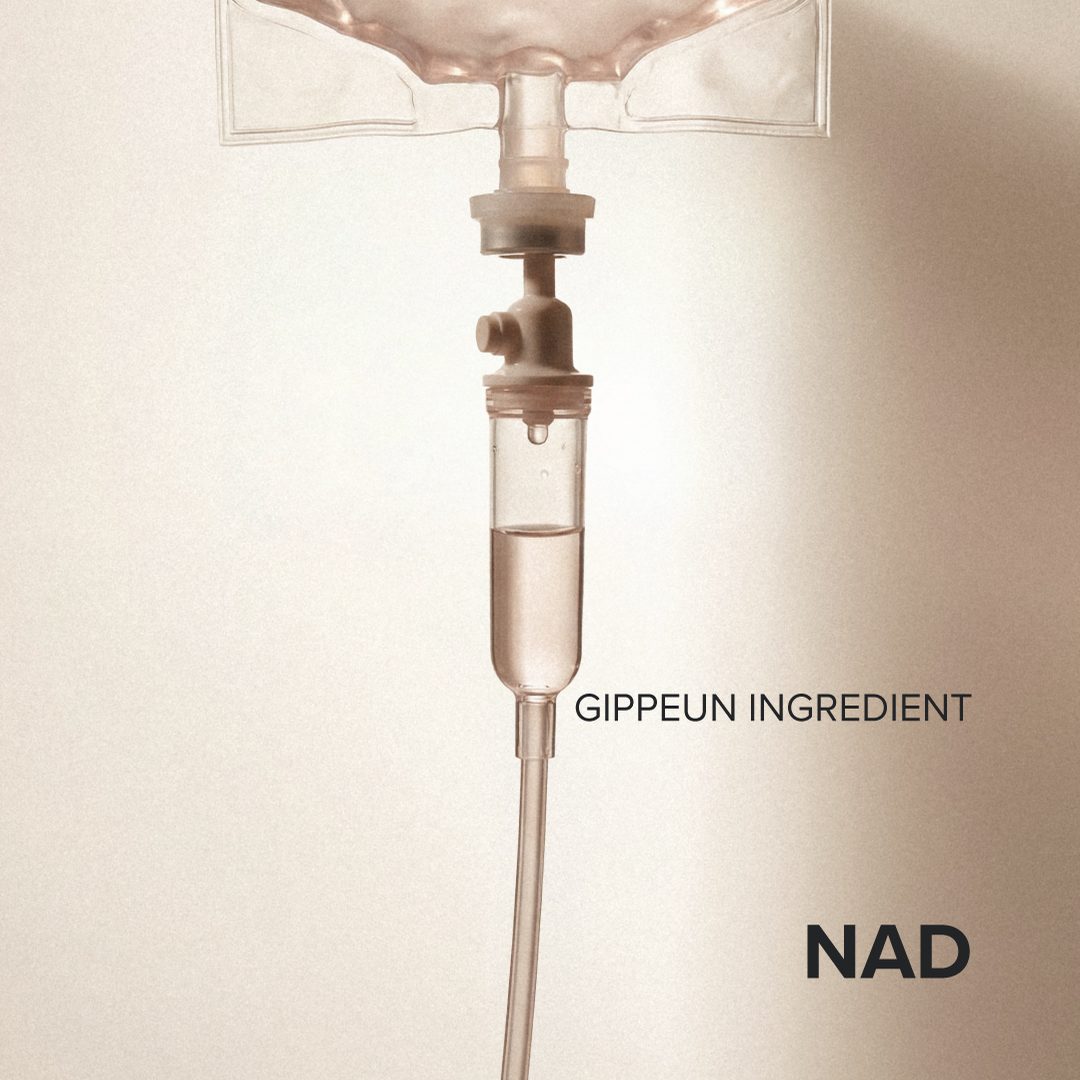
Behind it is cellular energy. NAD⁺, studied for its role in energy metabolism, is understood to decline noticeably after the thirties, and collagen begins its slow decrease too. It's still early to call this aging, but it's the stretch where the speed at which skin ages starts to shift. So what the thirties need is less a strong treatment than a preventive accumulation of energy and recovery, tended to in advance.
Your 40s: a question of resilience and density
In your forties, the change rises to the surface. Recovery slows visibly, and barrier, density, and firmness waver together. Dryness and sensitivity trade off, and irritation that once settled quickly can now linger.
Under the influence of hormonal change, the balance of oil, moisture, and firmness shifts, and years of accumulated photoaging and fine traces of inflammation surface together. Skin here wants less to add something than a recovery-centered approach that deeply refills lost fitness and guards the barrier.
The common thread: not surface, but speed
Thirties or forties, the point isn't whether aging is present but how fast it moves. When cellular energy falls, recovery slows; when recovery slows, wavering grows more frequent — and the speed of that loop is what makes the difference between the decades. The longevity view is about slowing that speed. Not erasing, but preserving skin's own capacity to recover for as long as possible.
Finding the approach that fits your skin
In your 30s, center on prevention and energy. Starting daily accumulation while there's still margin works in your favor. Tending to cellular vitality in advance is the most efficient timing.
In your 40s, center on recovery and density. Weight the effort toward filling and guarding to narrow the range of wavering. Steadily layering recovery ingredients and barrier care suits this stage.
Either way, duration over intensity. Care that hurts and happens once every few days loses to care that doesn't hurt and can happen every day. The latter is what changes the rhythm.
What changes the rhythm is every day
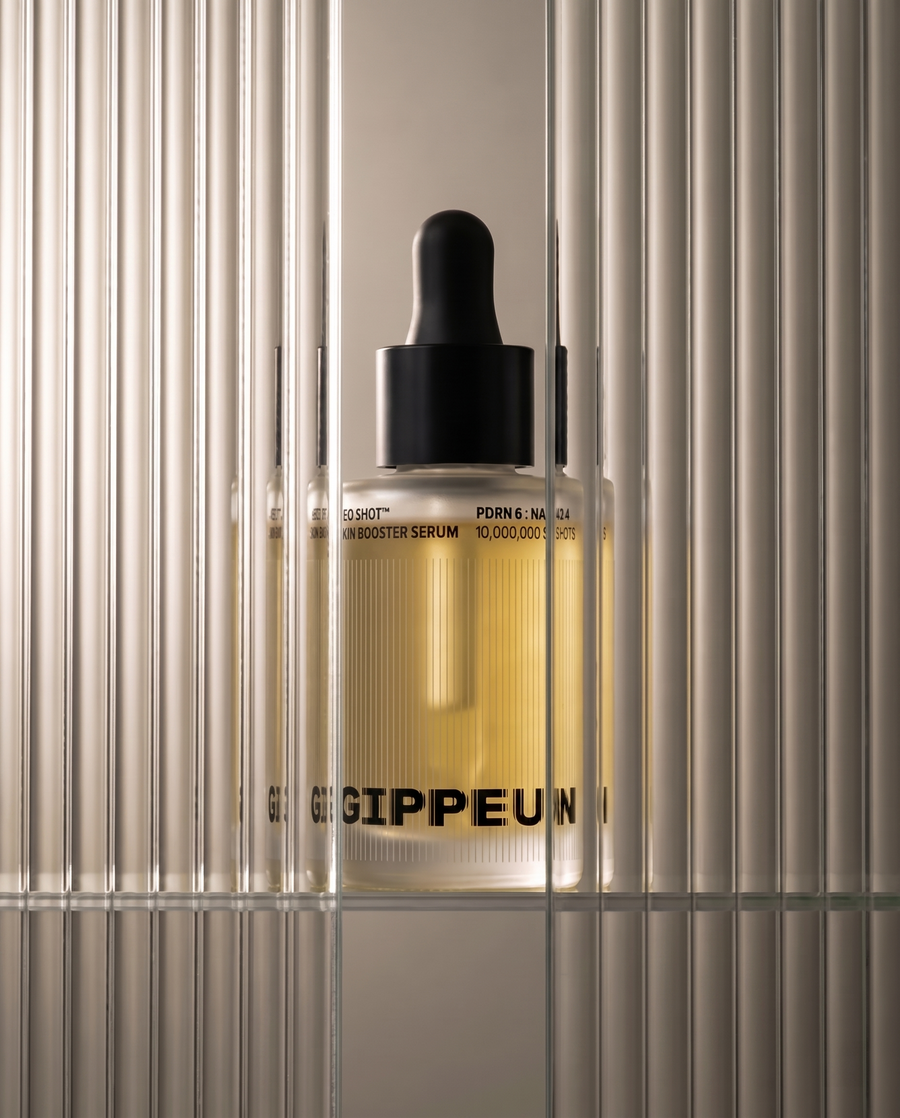
GIPPEUN holds recovery-focused PDRN and energy-focused NAD⁺ together at 6:4 in the serum, and connects them into a daily routine through NEO SHOT delivery that reaches deep without pain. Prevention in your thirties and recovery in your forties both come down to a single way: daily accumulation.
You can't turn back your age. But the speed at which skin ages you can begin to change, little by little, starting with today's care. Knowing your skin's rhythm right now — that is the first step of longevity.
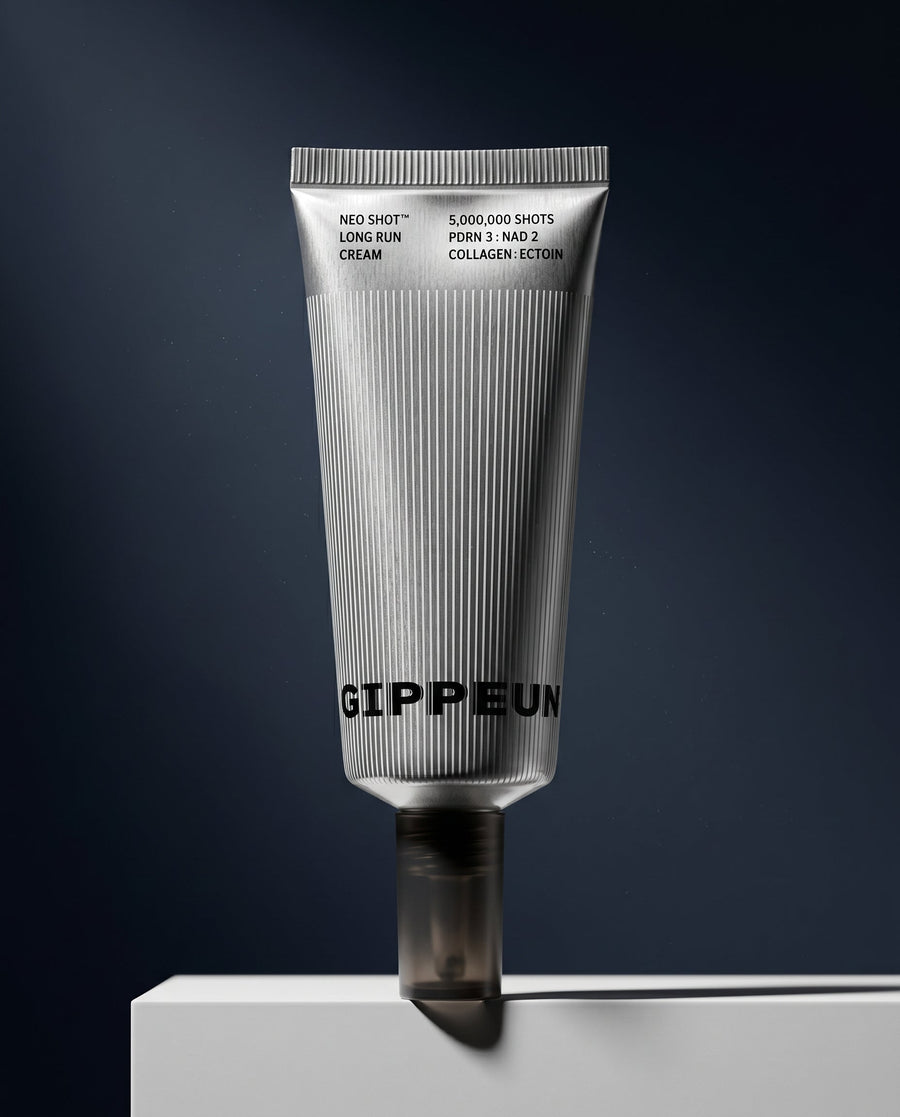
The GIPPEUN NEO SHOT serum fills vitality and radiance, and the Longrun Cream fills recovery and density, into a daily routine.
FEATURED IN THIS STORY
Next story
View all stories →EP.01 · EP.01 · Skin Longevity
Aging Isn't the Problem. Speed Is.
The language of beauty is shifting from erasing wrinkles to prote...
EP.02 · EP.02 · Ingredient Deep Dive
Why NAD⁺ Became the Language of Beauty
A century-old cellular energy molecule is now everywhere in beaut...
EP.03 · EP.03 · Science
PDRN and the Science of Recovery
PDRN doesn't add something new to skin. It helps skin do what it ...